Deepsolv Blog
Deepsolv Blog
Backed by







Creative Decision Intelligence for Meta growth teams. Know what to test next — before you spend on it.
Follow Deepsolv on InstagramFollow Deepsolv on LinkedInFollow Deepsolv on TwitterAll rights reserved © 2026 deepsolv.ai
5 min read
Published: 7/1/2025
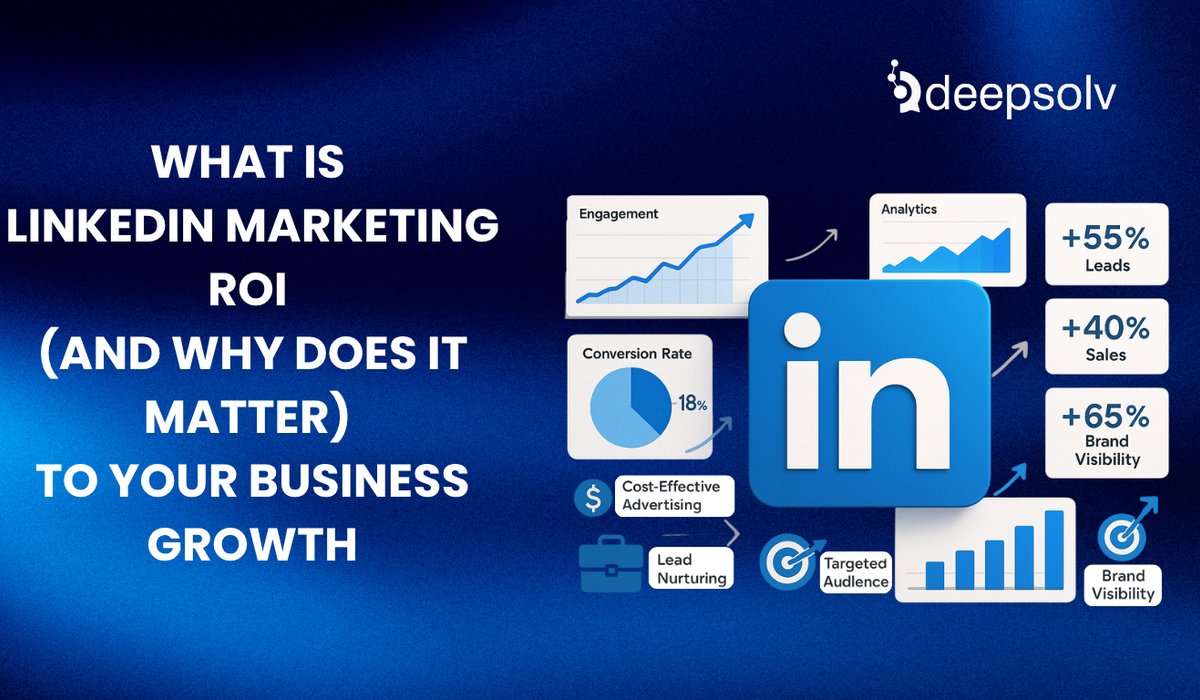
In a digital world where every click is measured and every platform promises conversions, LinkedIn holds a special kind of power- especially for B2B brands. But while most marketers understand how to post on LinkedIn, very few know how to measure its real impact. That’s where LinkedIn Marketing ROI comes in.
If you’ve been wondering how to quantify the return on your LinkedIn efforts or if it’s even worth the time and money- this guide will decode it for you.
Simply put, LinkedIn Marketing ROI (Return on Investment) is the value your business gains from LinkedIn marketing compared to what you’ve spent. It can be calculated in revenue, leads, brand visibility, or even talent acquisition depending on your goals.
Here’s the basic formula:
LinkedIn ROI = (Gain from LinkedIn – Cost of LinkedIn Marketing) ÷ Cost of LinkedIn Marketing × 100
But that’s just the math. The real magic lies in how you define “gain.”
If your brand uses LinkedIn for cold outreach or lead magnets, ROI can be directly measured in leads captured and deals closed.
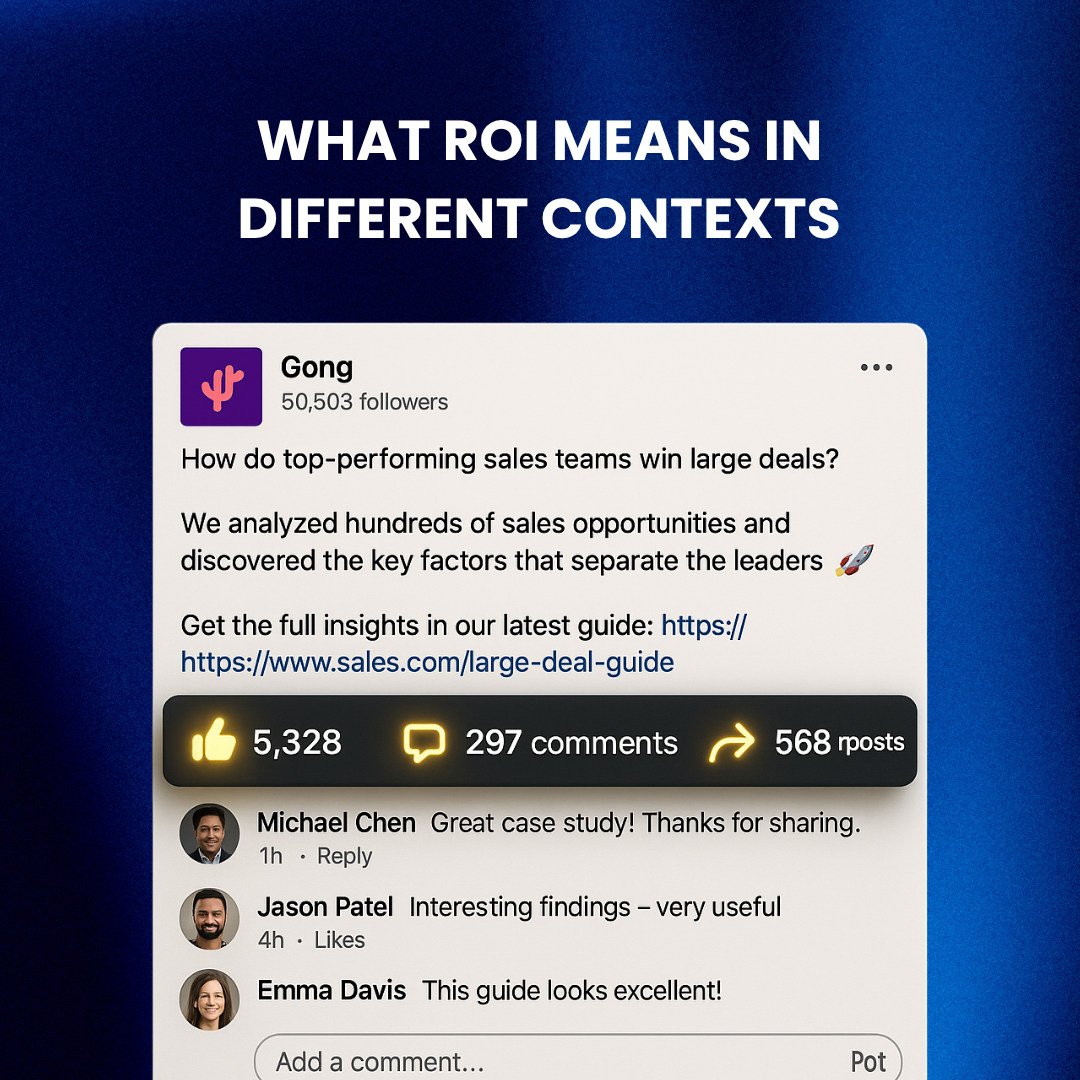
Real Example: Gong.io frequently posts cold call tips, audio snippets, and sales psychology insights. Each post generates thousands of likes and more importantly, leads. Their VP once shared that a single viral post led to 30+ inbound demo requests.
Here, the value isn't always immediate sales—it’s about impressions, engagement, and staying top of mind.
Real Example: Amul, an iconic Indian dairy brand, uses LinkedIn not for direct sales but to share behind-the-scenes, employee culture, and legacy-driven stories. This helps position it as a people-first brand, which strengthens trust and long-term visibility.
For many companies, LinkedIn isn’t just about clients- it’s about hiring top talent. A single post showcasing your culture can attract applicants who align with your values.
Real Example: Zomato’s employer branding posts from “What we eat at work” to “Life at Zomato Fridays”- boost visibility among aspirants. These content pieces reduce recruitment costs by driving direct applications.
LinkedIn may not offer vanity metrics like TikTok virality or Instagram aesthetics, but what it offers is depth. Decision-makers scroll LinkedIn during coffee breaks. Founders check posts between meetings. And when they find your brand, it matters.
Here’s why measuring ROI is essential:
Aligns teams: Sales, marketing, and HR can all benefit when ROI is clearly defined.
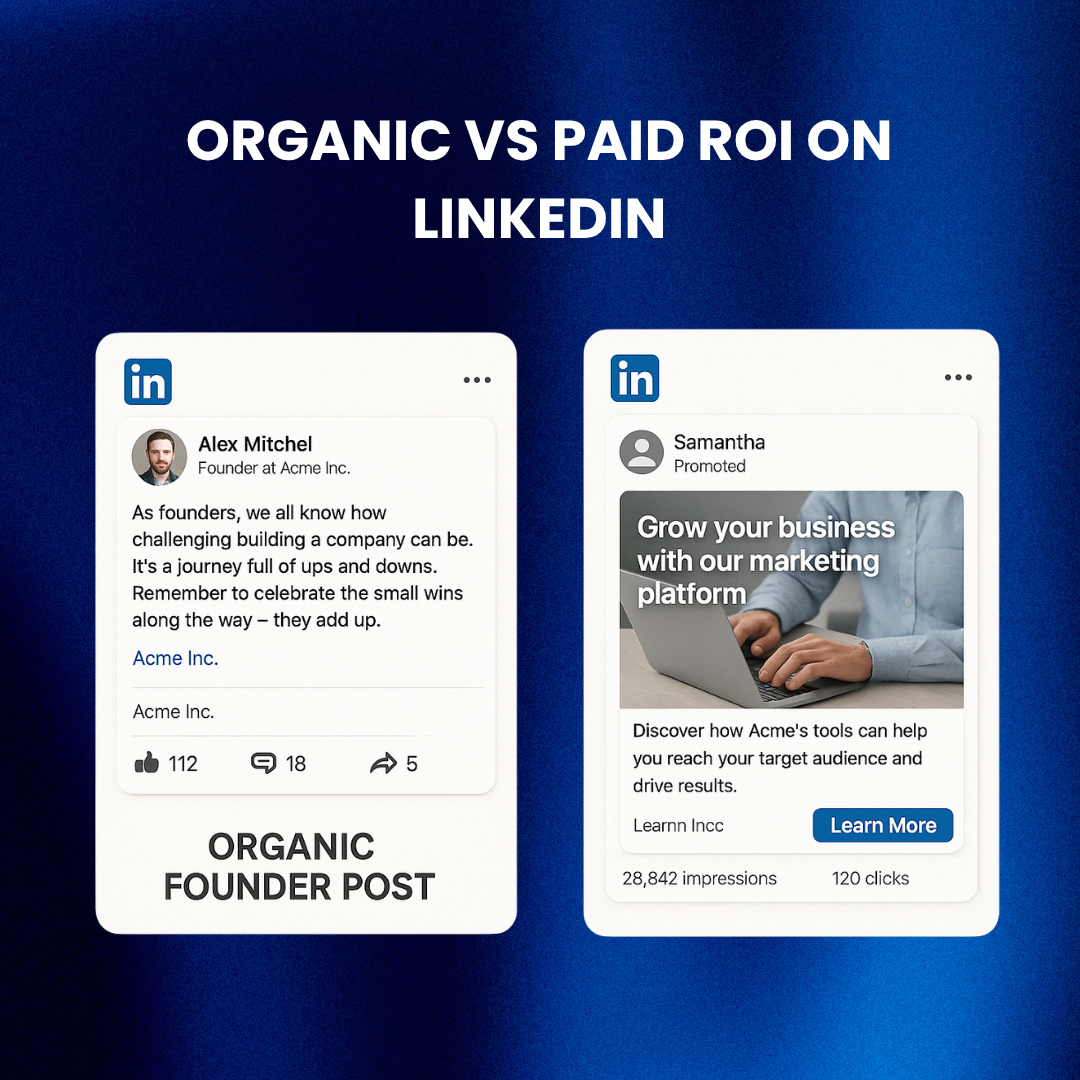
Pro Tip: Use LinkedIn’s Lead Gen Forms for better conversion tracking and native form-fill experiences.
Here’s how to actually measure what’s working:
Tag all outbound links in your posts or ads to see what drives traffic in Google Analytics.
What does success look like? Is it:
Track impressions, CTR, and conversions for both paid and organic content.
Connect LinkedIn with your CRM tools (like HubSpot or Salesforce) to see lead source and journey.
It’s not about likes- it’s about who is liking. If your ICP (ideal customer profile) is engaging, you’re on the right track.
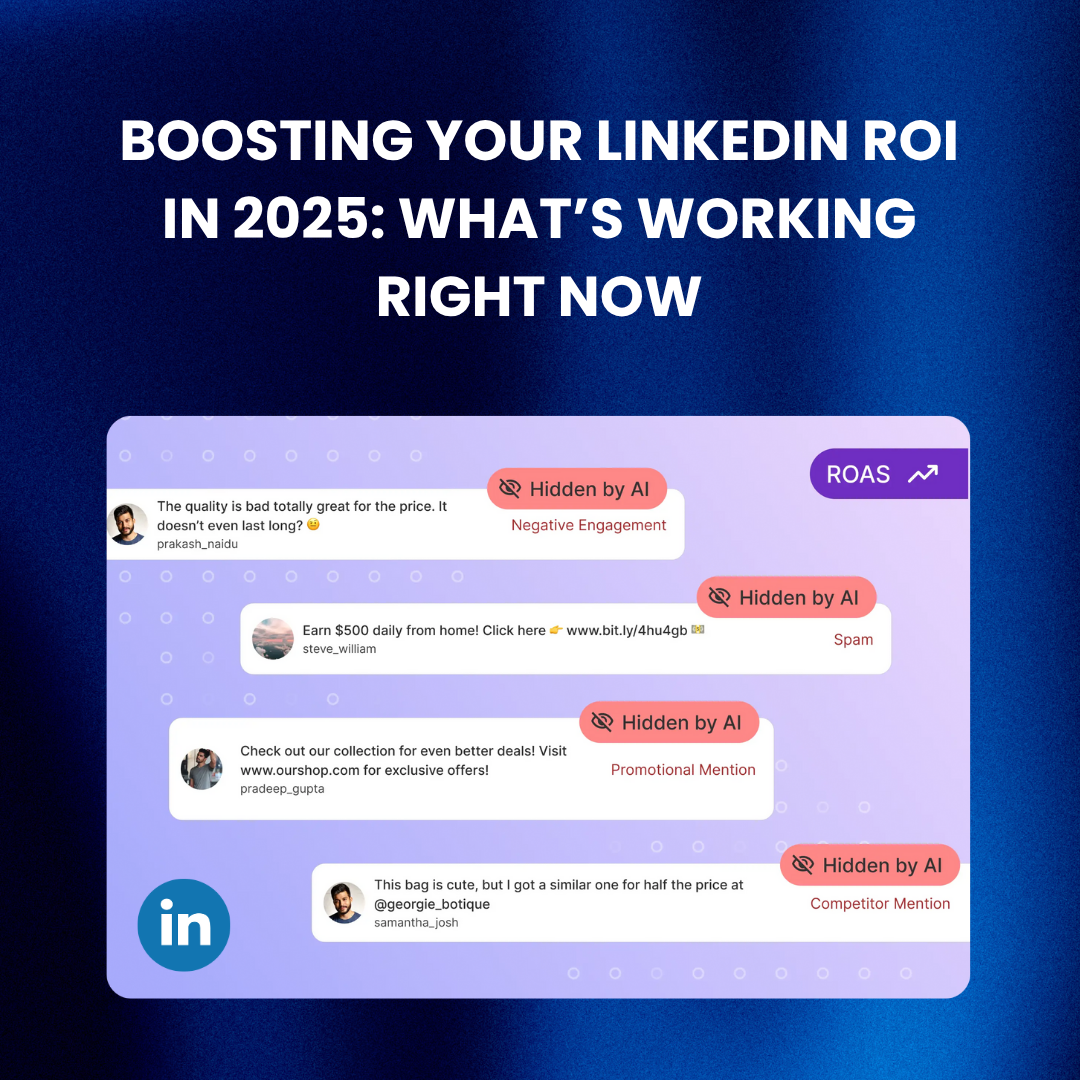
🔹 Thought Leadership > Company Updates: People follow people, not logos. Let your founders and leadership team post directly.
🔹 Video + Captions = High Engagement: Short videos (30–90 seconds) with captions perform better than long text posts alone.
🔹 Employee Advocacy: Encourage your team to reshare posts. Brands with active employee content see 5x more engagement.
🔹 Smart Automation Tools: Use tools like Deepsolv to automatically engage with your target audience, leading to thousands of impressions (or, even more) every day for your brand.
You won’t always get an immediate sale from a post but you might get a comment from a future client, a like from a VC, or a share that lands your next hire. That’s ROI, too.
LinkedIn is one of the few platforms where every touchpoint is high-intent. So treat every post as an asset. Track it. Optimize it. And most importantly, learn from it.
FAQs
Frequently asked questions related to this blog post